Israel launches Project Nexus to build sovereign quantum computer, raising fresh questions for crypto security
Israel's quantum computing push could accelerate global shifts in cryptographic security, impacting blockchain resilience and tech sovereignty. The post Israel launches Project Nexus to build sovereign quantum computer, raising fresh questions for crypto secu…
Intelligence Engine
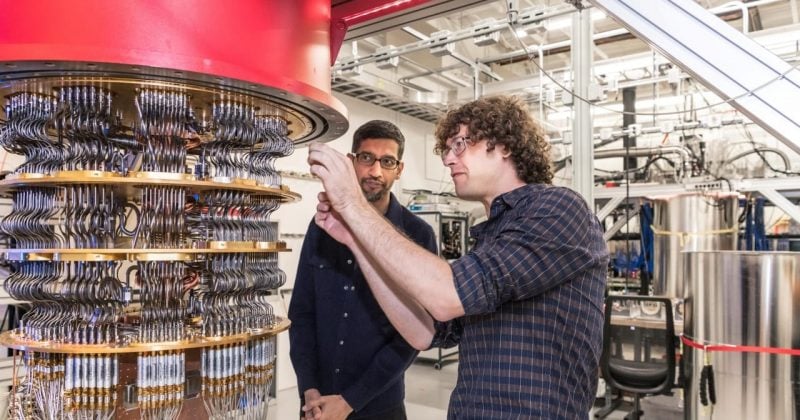
Israel just fired a starting gun in the global quantum computing race. The country’s National AI Directorate, operating under the Prime Minister’s Office, published a government tender for Project Nexus on August 4, 2026. The goal: build a nationally owned quantum computing platform manufactured on Israeli soil.
The initiative is the first applied project under Government Decision 4255, which lays out Israel’s broader national AI strategy. That strategy carries an estimated price tag of NIS 5 billion, roughly $1.66 billion, aimed squarely at achieving what officials are calling “technological sovereignty” in AI and quantum technologies.
Project Nexus is structured as a government tender, meaning private companies and academic institutions will compete for the contract to help build the platform. No winning bidders have been announced yet, and specific budget allocations for this particular project haven’t been disclosed.
Israel’s previous quantum push, the Israel National Quantum Initiative, has already directed approximately NIS 1.2 billion (about $400 million) toward quantum research and infrastructure. Project Nexus represents an escalation of that commitment, folding quantum ambitions into a larger AI framework.
The tender was published in collaboration with the Finance Ministry’s Accountant General’s Department. Alongside quantum computing, the government is also seeking information on Physical AI infrastructure and sovereign AI foundation models.
Most blockchain networks, including Bitcoin and Ethereum, rely on cryptographic algorithms that quantum computers could theoretically crack. The specific threat is to public-key cryptography. Bitcoin addresses use elliptic curve cryptography. A sufficiently powerful quantum computer running Shor’s algorithm could derive private keys from public keys. For dormant wallets where public keys are exposed on-chain, that’s a direct risk to funds.
Several blockchain projects are already working on post-quantum cryptography. Ethereum co-founder Vitalik Buterin has discussed quantum resistance as a long-term priority. The National Institute of Standards and Technology (NIST) has been standardizing post-quantum cryptographic algorithms. But adoption across major networks remains in early stages.
Israel is far from alone in this pursuit. The US has committed tens of billions through the CHIPS and Science Act and related programs. China has built quantum computing labs that have demonstrated quantum advantage in narrow applications. The EU’s Quantum Flagship program has been running since 2018. What makes Israel’s approach notable is the explicit framing around sovereignty and the integration with a national AI strategy.
The $1.66 billion total budget for Israel’s AI plan is modest compared to what larger nations are spending. For investors in quantum-adjacent public companies, Israel’s commitment adds another source of potential demand and partnership. Quantum hardware makers, cryogenic equipment suppliers, and quantum software firms all stand to benefit from a new national customer entering the market with serious funding behind it.
Investors should watch for two signals going forward: which companies win the Project Nexus tender, since that reveals where Israel’s quantum capabilities actually sit, and whether major Layer 1 protocols accelerate their post-quantum roadmaps in response to the growing pace of nation-state quantum investment.
Disclosure: This article was edited by Editorial Team. For more information on how we create and review content, see our Editorial Policy.
Read Full Intelligence Briefing
Access the complete report and original data sources from Crypto Briefing.
View Source MaterialRelated Intelligence

Rigging the Game: How China Undermined Western Manufacturing and Helped Hollow Out American Industry
11/23/2026

China's $1.7 trillion AI rout turns once-hot tech trade into a losing bet
11/23/2026

‘It’s too late’: Ford, BMW, Hyundai issue same fresh warning as China takes over major markets. Is America next?
11/22/2026