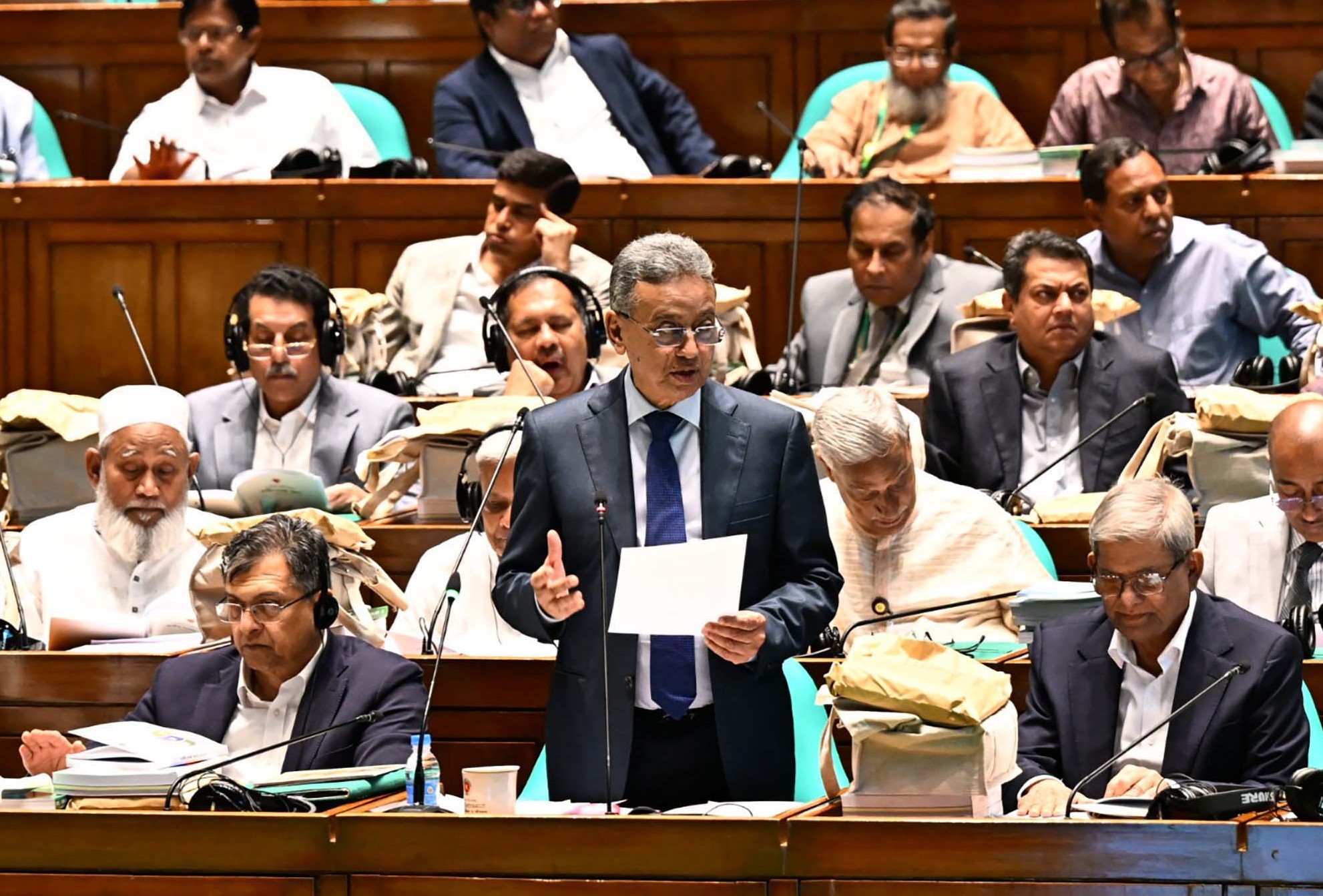
German exports up, production falls short of forecasts
German industrial production rose less than expected in April and economists said the outlook for Europe's largest economy remains weak, despite an unexpected increase in exports.
Intelligence Engine
AI-enhanced article — original source was truncated. Full analysis generated by GeoMoney AI.
German industrial production rose less than expected in April, underscoring the fragility of Europe’s largest economy even as export figures surprised analysts with an unexpected uptick. According to the Federal Statistical Office, seasonally adjusted output in the manufacturing sector increased by 0.2 % month‑on‑month, well below the consensus forecast of a 0.5 % gain and marking the third consecutive month of sub‑par growth. The modest rise was driven primarily by a rebound in automotive output after a series of supply‑chain disruptions, while machinery, chemicals and metal production remained flat or slightly negative. In contrast, German exports of goods climbed 1.3 % in April compared with March, defying expectations of a modest decline and pushing the year‑on‑year export growth rate to 4.8 %. The divergence between weak domestic production and stronger foreign sales points to a set of temporary and structural forces shaping the German economy at a pivotal moment for the eurozone.
The export surge appears to be driven by a combination of cyclical and currency‑related factors. A weaker euro, which has traded around 1.07 to the dollar since early 2024, has improved the price competitiveness of German goods in key markets such as the United States and emerging Asia. Moreover, preliminary data suggest that foreign demand benefited from a short‑term inventory rebuilding cycle among German’s major trading partners, particularly in the United States where firms have been restocking after a period of cautious spending. At the same time, the modest rise in industrial output reflects deeper headwinds: persistently high energy costs despite government relief measures, lingering bottlenecks in semiconductor supplies, and a slowdown in capital expenditure as firms await clearer signals on the European Central Bank’s monetary policy trajectory. The manufacturing Purchasing Managers’ Index remained in contraction territory for the fourth straight month in April, hovering at 48.2, signaling that businesses continue to view near‑term conditions as unfavorable.
From a geopolitical standpoint, the export‑production mismatch highlights Germany’s continued reliance on external demand to sustain growth amid a domestic environment strained by the war in Ukraine and the associated energy transition. Berlin’s push to diversify away from Russian gas has kept wholesale electricity prices elevated, weighing on energy‑intensive industries such as chemicals and steel. Simultaneously, the government’s ambitious climate agenda — targeting a 65 % reduction in greenhouse‑gas emissions by 2030 — has spurred investment in renewable infrastructure but also created uncertainty for traditional manufacturers navigating new regulatory
Read Full Intelligence Briefing
Access the complete report and original data sources from RTE.
View Source Material