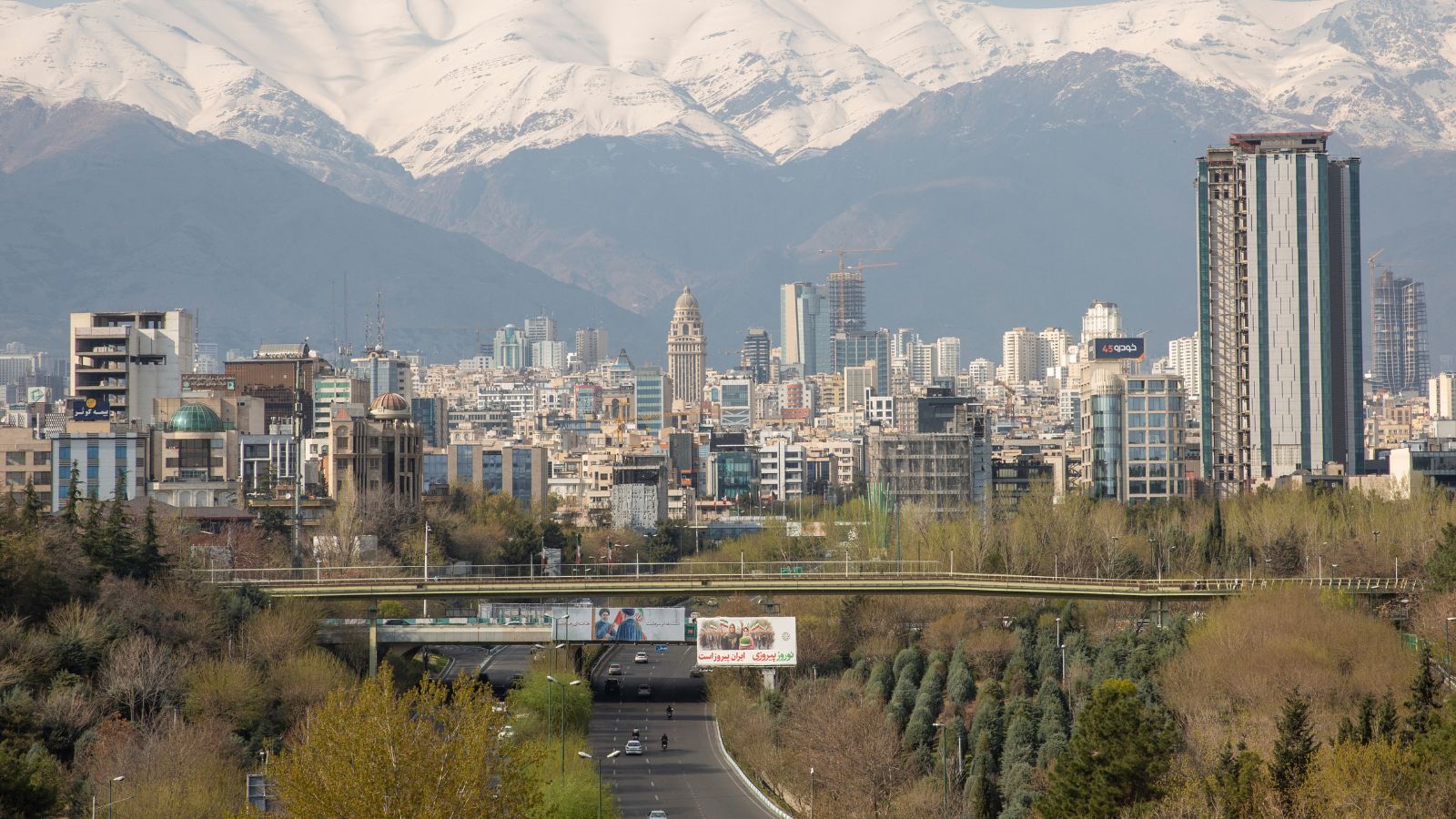
Crude oil demand to see biggest quarterly plunge since Covid – IEA
Demand for crude oil will likely see the biggest slump in the second quarter since the Covid pandemic slammed the global economy in 2020, the International Energy Agency said Tuesday. The post Crude oil demand to see biggest quarterly plunge since Covid – IEA…
Intelligence Engine
AI-enhanced article — original source was truncated. Full analysis generated by GeoMoney AI.
The International Energy Agency has issued a stark warning about the state of global crude oil demand, projecting the steepest quarterly decline since the depths of the Covid-19 pandemic in the second quarter of this year. This dramatic downturn, driven by surging prices and persistent inflationary pressures, signals a significant shift in the energy landscape and raises critical questions about the resilience of the global economy.
The IEA's latest report highlights that high oil prices are acting as a brake on consumption, particularly in major economies where inflation has already strained household budgets and industrial activity. Surging costs at the pump and for energy-intensive industries are prompting consumers and businesses alike to cut back, leading to a contraction in demand that the agency says is the most severe since 2020, when lockdowns and travel restrictions brought the world to a near standstill.
This latest slump comes at a time when the global economy is grappling with multiple headwinds: persistent inflation, tightening monetary policy from central banks, and geopolitical tensions that continue to disrupt energy markets. The war in Ukraine, Western sanctions on Russia, and OPEC+ production cuts have all contributed to elevated oil prices, which now appear to be dampening demand more than many analysts had anticipated.
From a geopolitical perspective, the implications are profound. Oil demand weakness could ease some of the upward pressure on prices, potentially providing relief to import-dependent economies in Europe and Asia. However, it also underscores the fragility of the post-pandemic recovery and the limits of supply-side interventions in the face of weakening global growth. For oil-producing nations, especially those heavily reliant on energy exports, a sustained demand slump could force a recalibration of fiscal and economic strategies.
Financial markets are already reacting, with oil futures showing increased volatility as traders weigh the prospect of further demand destruction against the risk of supply shortages. The IEA's forecast may also influence the policy calculus of major central banks, which have been wrestling with the challenge of curbing inflation without tipping economies into recession. If oil demand continues to falter, it could ease some inflationary pressures, but at the cost of slower economic growth.
Strategically, the current situation highlights the ongoing transition in global energy markets. While demand for fossil fuels remains substantial, the pace and pattern of consumption are shifting, influenced by both economic cycles and the accelerating push toward renewable energy. The IEA's warning serves as a reminder that the energy transition is not just a matter of environmental policy, but also a driver of economic and geopolitical change.
In sum, the projected plunge in crude oil demand marks a critical juncture for the global economy and energy markets. As policymakers, investors, and industry leaders navigate this uncertain terrain, the interplay between price, demand, and supply will remain central to the outlook for both energy security and economic stability in the months ahead.
Read Full Intelligence Briefing
Access the complete report and original data sources from Vanguard.
View Source Material